For developers, the right parcel of land often doesn't wait for a sale to close on an existing asset. Whether it's an assemblage opportunity, a competitive bid situation, or land that fits a specific entitlement window, developers frequently need to move on acquisitions before they've disposed of the property that will fund the purchase through a 1031 exchange. A reverse exchange is the tool built for exactly this situation.
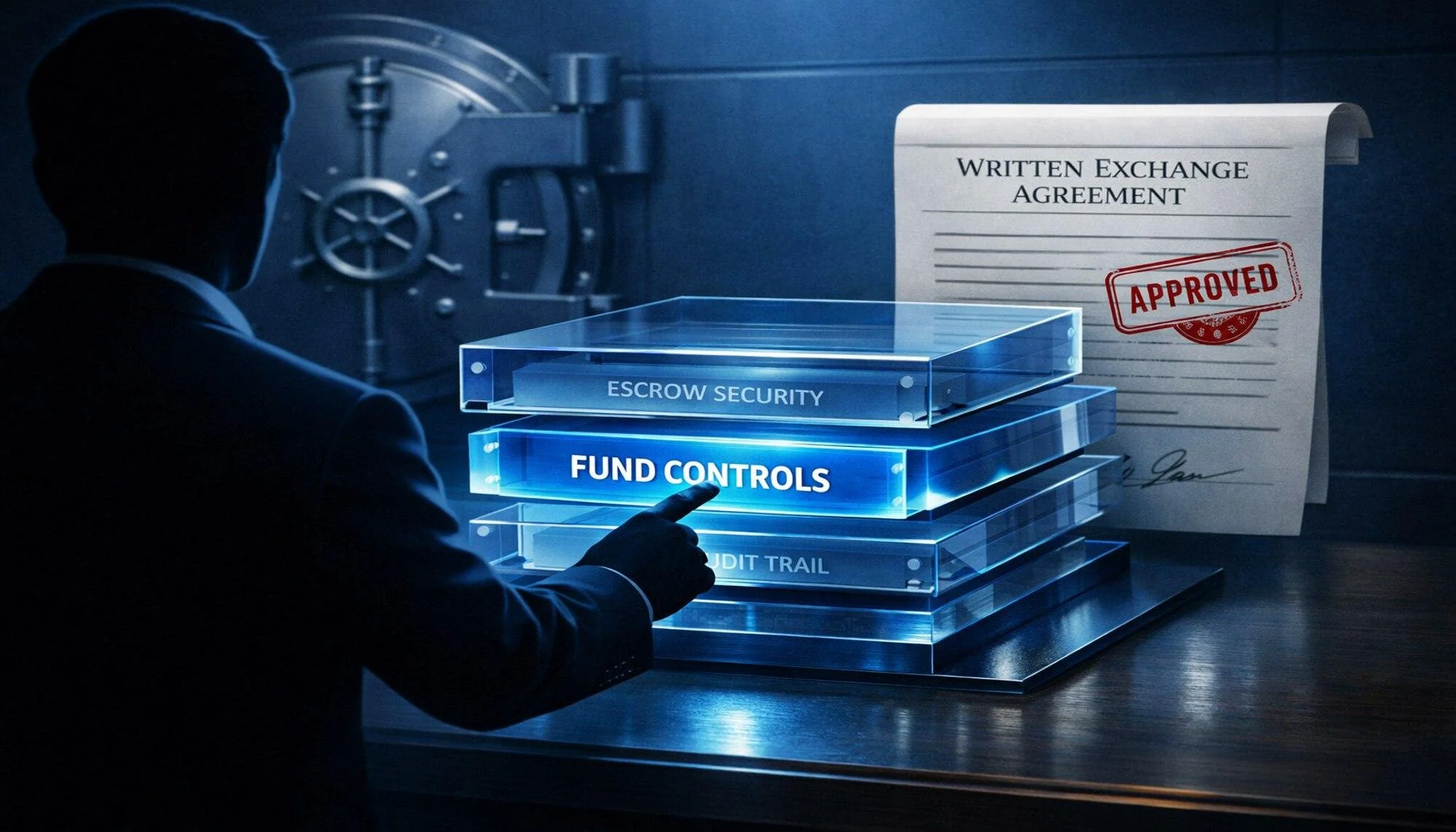
In a reverse exchange, an Exchange Accommodation Titleholder (EAT) — a special-purpose entity set up by your qualified intermediary — takes title to the replacement land while you finalize the sale of your relinquished property. This 'title parking' arrangement satisfies IRS safe-harbor requirements under Revenue Procedure 2000-37 while giving you the ability to close on the land now.
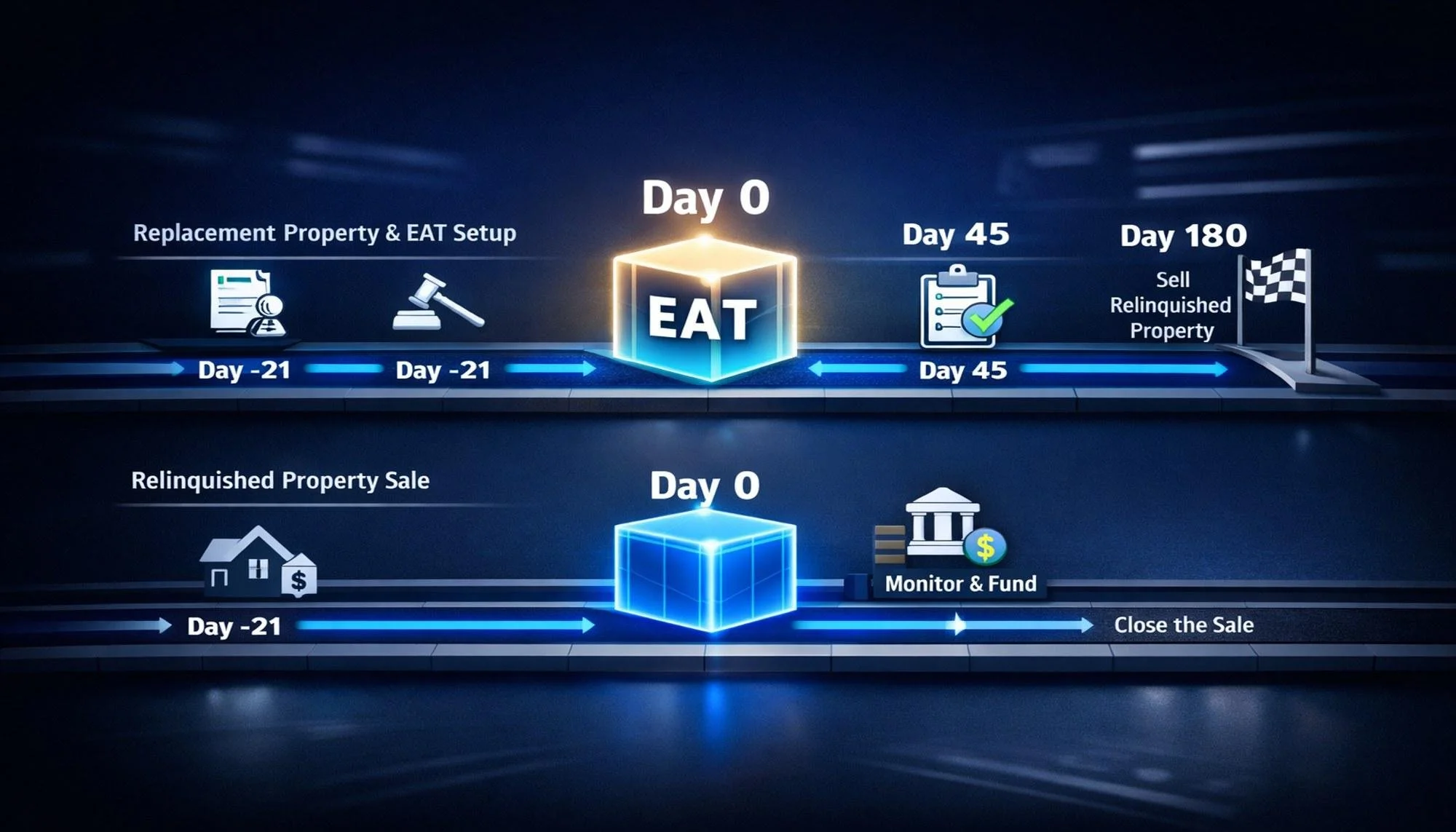
The most important guidance for developers: engage your qualified intermediary before signing the purchase contract, not after. The EAT structure, financing arrangements, and QEAA documentation all need to be in place before closing on the replacement land. Retrofitting a reverse exchange onto a deal that's already under contract with a tight closing date creates unnecessary risk and, in some cases, can eliminate the ability to structure the exchange at all.
Financing adds another layer specific to developers. Construction or acquisition loans on land held temporarily by an EAT require lenders who understand exchange structures and are willing to underwrite with that titleholding arrangement in place. Not every lender is set up for this, so identifying a lender experienced with reverse exchanges early in the process avoids delays at closing.
Once the EAT closes on the land, the standard reverse exchange clock applies: 45 days to identify the relinquished property being sold to fund the exchange, and 180 days total to complete the sale and unwind the EAT structure, transferring the land into the developer's name. For active developers managing multiple sites and disposition timelines, this calendar needs to be tracked against every other project deadline simultaneously.
Reverse exchanges give developers a genuine competitive edge — the ability to move on land before a sale closes, without forfeiting the tax deferral a 1031 exchange provides. Securitas 1031 works directly with development teams, their lenders, and title companies to structure these exchanges correctly from the first phone call, well before a letter of intent is signed.
Have Questions About Your Exchange?
Talk to a 1031 expert with no obligation to move forward.
Start My Exchange