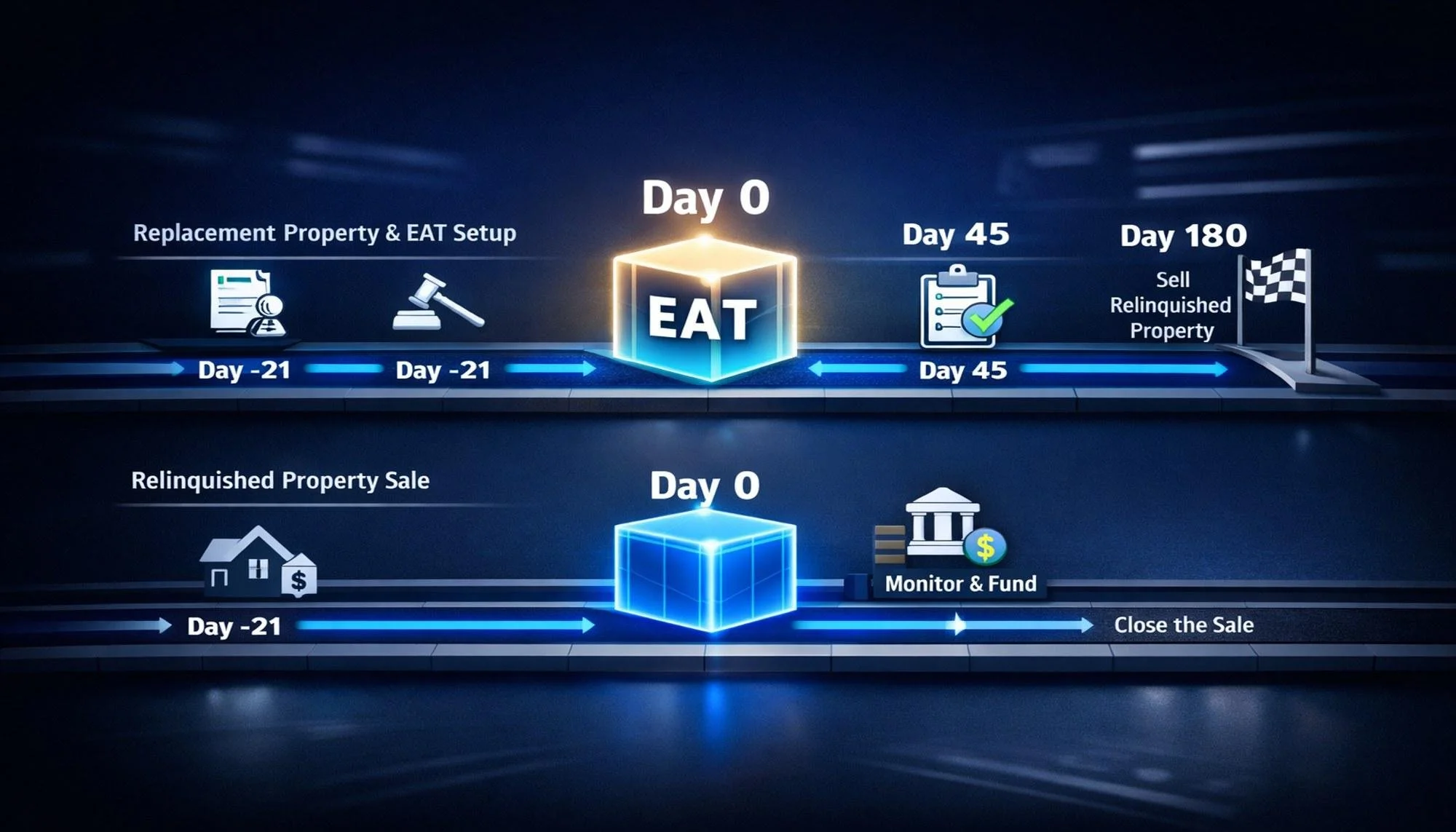
1031 exchanges are governed by federal tax law, so the core rules — the 45-day identification window, the 180-day completion deadline, and the like-kind property requirement — apply the same way in Houston as anywhere else in the country. But Texas has a handful of state-specific wrinkles that Houston-area investors should plan around before listing a property for sale.
Texas has no state income tax, which means investors here don't face a state-level capital gains tax on the sale itself. That's a real advantage, but it doesn't reduce the importance of the federal 1031 exchange — depreciation recapture and federal capital gains tax still apply in full, and for investors who eventually sell property in a state that does impose capital gains tax, deferring through a 1031 exchange preserves flexibility for where and when that liability is ultimately realized.
Mineral rights are a distinctly Texas consideration. Property in Houston and across the Gulf Coast region frequently carries separate mineral estates, which can complicate what qualifies as 'like-kind' in an exchange and how title is conveyed. Investors selling or acquiring property with active or severed mineral rights should have those rights specifically reviewed by their qualified intermediary and title company before the exchange documents are finalized, to avoid last-minute title issues at closing.
Houston's real estate market moves fast, and that speed creates a specific risk: constructive receipt. Under IRS rules, if an investor has actual or constructive control over their sale proceeds — even briefly, even through an aggressive closing timeline — the entire exchange can be disqualified and the funds become immediately taxable. Because Houston closings often move quickly once a contract is signed, exchange documentation and qualified intermediary setup need to be in place before the sale closes, not scrambled together the week of closing.
Flood zones and title insurance also warrant extra attention in Houston specifically. Properties in FEMA-designated flood areas may affect financing timelines for a replacement property, which in turn affects how much cushion you have inside the 180-day window. Coordinating with a lender familiar with the local flood insurance landscape early avoids surprises that can eat into your identification or closing timeline.
Securitas 1031 is based in Houston and has completed exchanges across every major Texas market, working directly with the title companies, escrow officers, and mineral rights specialists this region requires. If you're planning a sale anywhere in the Houston metro or across Texas, setting up your exchange before you sign a listing agreement gives you the most flexibility to protect your deferral.
Have Questions About Your Exchange?
Talk to a 1031 expert with no obligation to move forward.
Start My Exchange